
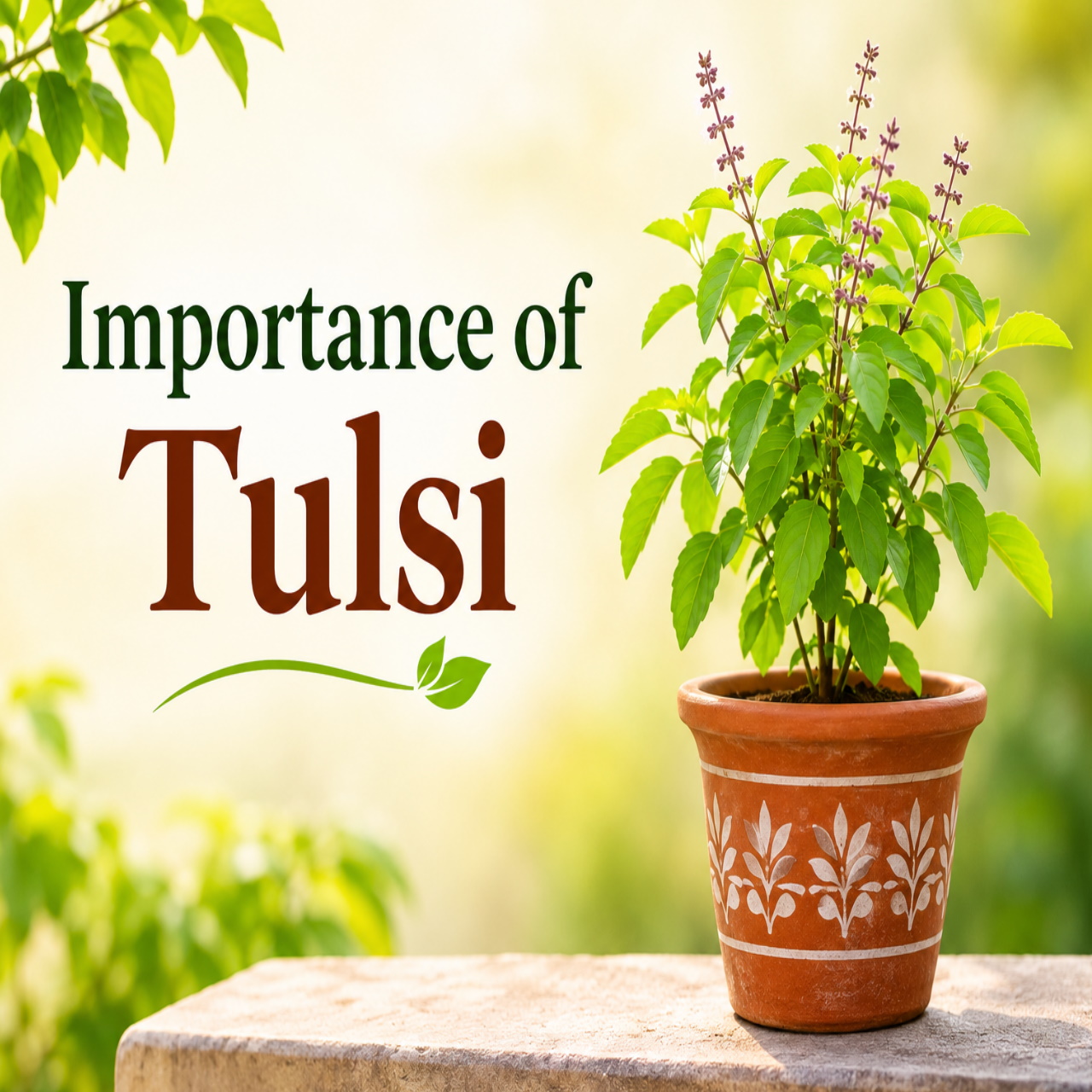
Importance of Tulsi: Health Benefits, Ayurvedic Uses, Spiritual Significance and Daily Care
Tulsi, also known as Holy Basil, holds a special place in Indian culture, Ayurveda, and traditional household practices. It is valued for its aromatic leaves, traditional medicinal uses, religious significance, and importance as a garden plant.
The following blog explores Tulsi's history, varieties, traditional health benefits, scientific evidence, safe consumption, and practical ways to grow and care for the plant.
Importance of Tulsi: Health Benefits, Ayurvedic Uses, Spiritual Significance and Daily Care
Introduction
Tulsi, commonly known as Holy Basil, is one of the most respected plants in Indian households. For centuries, it has been associated with Ayurveda, spiritual traditions, natural wellness, and environmental awareness.
The botanical name of Holy Basil is Ocimum tenuiflorum, also known by the synonym Ocimum sanctum. It belongs to the Lamiaceae family, which includes mint, basil, rosemary, and several other aromatic herbs.
Tulsi is widely grown in homes, courtyards, gardens, and temple surroundings across India. Many families consider the plant sacred and maintain it as part of their daily routine.
Beyond its religious importance, Tulsi has attracted scientific interest because its leaves contain naturally occurring plant compounds, including eugenol, rosmarinic acid, and other phytochemicals.
However, traditional medicinal uses and scientifically proven health benefits are not always the same. Although preliminary studies suggest several potentially useful properties, stronger human research is needed to establish many health claims.
Understanding Tulsi from both traditional and scientific perspectives helps us appreciate its significance while using it responsibly.
What Is Tulsi?
Tulsi is an aromatic plant native to tropical and subtropical regions of Asia. It grows well in warm climates and is particularly familiar throughout India.
Its leaves have a distinctive fragrance and a slightly peppery, herbal taste.
The plant is commonly cultivated for religious purposes, household use, herbal preparations, and ornamental gardening.
Tulsi is different from the sweet basil commonly used in Italian cooking. Although both belong to the Ocimum genus, they are not the same plant.
Tulsi is generally recognised by its strongly aromatic leaves, branching growth, and small flowers that develop along upright flowering spikes.
Depending on the variety and growing conditions, the leaves and stems may appear green, purple, or a combination of both.
Different Types of Tulsi
Several types of plants are popularly called Tulsi in India. Understanding their differences is useful because their botanical identity and chemical composition may vary.
Rama Tulsi
Rama Tulsi generally has green leaves and is one of the most familiar forms of Holy Basil.
It is commonly grown in Indian households and used in traditional herbal preparations.
Krishna Tulsi
Krishna Tulsi often has darker green or purple leaves and stems.
It is valued in traditional practices and is associated with Lord Krishna in Hindu religious traditions.
The colour intensity can vary according to growing conditions.
Vana Tulsi
Vana Tulsi is a name applied to certain wild or forest-associated basil plants. It is frequently associated with Ocimum gratissimum, which is botanically distinct from Holy Basil.
It may have a stronger aroma and different chemical characteristics.
Because commercial products sometimes use common names inconsistently, checking the botanical name on the label is important.
Importance of Tulsi in Ayurveda
Tulsi has been used in Ayurvedic traditions for generations.
Ayurveda describes plants according to concepts such as rasa, guna, virya, vipaka, and their effects on the doshas.
Tulsi is traditionally described as having pungent and bitter qualities, with a warming nature.
It is commonly associated with the management of Kapha and Vata imbalances in traditional Ayurvedic practice.
Historically, Ayurvedic practitioners have used Tulsi in preparations intended to support respiratory comfort, digestion, and general well-being.
It is also included in certain herbal combinations for seasonal discomfort.
These descriptions represent traditional Ayurvedic knowledge and should not be interpreted as proof that Tulsi treats specific medical conditions.
People with persistent symptoms should seek appropriate medical evaluation rather than relying solely on herbal preparations.
Potential Health Benefits of Tulsi
Tulsi contains several biologically active compounds that researchers are investigating.
Its possible effects on stress, inflammation, metabolism, and microbial activity have received attention in laboratory studies, animal research, and a limited number of human trials.
The strength of evidence differs considerably across these areas.
Stress and Mental Well-Being
Tulsi is often described as an adaptogenic herb in traditional and contemporary herbal literature.
An adaptogen is generally understood as a substance proposed to help the body respond to stress.
Some small human studies have reported improvements in perceived stress or related symptoms among participants taking standardised Tulsi preparations.
However, these studies differ in dosage, duration, and product composition. Larger, well-designed trials are needed before firm conclusions can be made.
Tulsi tea may be a pleasant addition to a relaxing daily routine, but it should not replace professional treatment for anxiety, depression, or other mental health conditions.
Antioxidant Properties
Tulsi contains plant compounds with antioxidant activity.
Antioxidants can participate in chemical reactions that limit oxidation under certain conditions.
Laboratory research has identified antioxidant activity in Tulsi extracts, including activity associated with phenolic compounds.
However, laboratory antioxidant results do not automatically demonstrate that consuming Tulsi prevents disease or improves long-term health outcomes.
A varied diet rich in vegetables, fruits, whole grains, and other nutritious foods remains a more established foundation for healthy living.
Respiratory Comfort
Tulsi has traditionally been used in home preparations for coughs, colds, and seasonal respiratory discomfort.
Warm Tulsi tea may provide temporary comfort because warm liquids can soothe an irritated throat and support hydration.
Some Tulsi constituents have shown biological activity in laboratory research.
Nevertheless, there is insufficient high-quality clinical evidence to establish Tulsi as an effective treatment for asthma, bronchitis, respiratory infections, or other lung diseases.
Persistent coughing, breathing difficulty, chest pain, or high fever requires medical attention.
Digestive Wellness
In traditional Ayurveda, Tulsi is sometimes used to support digestion.
Its aromatic nature makes it a common ingredient in herbal beverages.
Some people enjoy Tulsi tea after meals, particularly during cooler weather.
Research into specific digestive benefits remains limited.
Tulsi should not be considered a proven treatment for acidity, ulcers, irritable bowel syndrome, or other gastrointestinal disorders.
If a herbal preparation causes stomach irritation or nausea, discontinue it.
Blood Sugar and Metabolic Health
Some preliminary human and animal studies have investigated whether Tulsi preparations influence blood glucose and other metabolic measurements.
The findings are not sufficient to establish Tulsi as a treatment for diabetes.
People taking insulin or blood-glucose-lowering medication should be especially cautious with concentrated Tulsi supplements because additional glucose-lowering effects are possible.
Never reduce or discontinue prescribed diabetes medication because of a herbal product.
Anti-Inflammatory Research
Certain compounds found in Tulsi have demonstrated anti-inflammatory activity in experimental settings.
These findings have encouraged further investigation into the plant's potential biological effects.
However, the results do not establish that consuming Tulsi leaves or tea can reliably treat inflammatory diseases in humans.
Spiritual Importance of Tulsi in Hindu Culture
Tulsi is deeply connected with Hindu religious and cultural traditions.
In many Hindu households, the plant is worshipped and regarded as a symbol of purity, devotion, and auspiciousness.
Tulsi is particularly associated with Lord Vishnu and Lord Krishna.
Many families maintain a Tulsi plant in a courtyard or near the entrance to their home.
Daily rituals may include offering water, lighting a diya nearby, and performing prayers.
These customs vary between regions, communities, and family traditions.
Tulsi leaves are also used in certain religious offerings and ceremonies.
The plant's significance extends beyond its physical properties. For devotees, it represents a continuing connection between nature, spirituality, and daily life.
Tulsi Vivah and Its Cultural Significance
Tulsi Vivah is a traditional Hindu ceremony that symbolically celebrates the marriage of Tulsi with Lord Vishnu, often represented in the form of Shaligram.
The ceremony is generally observed during the Kartik period, with the exact date depending on regional customs and the Hindu calendar.
Families may decorate the Tulsi plant with flowers, cloth, and traditional ornaments.
Prayers, devotional songs, and offerings are common parts of the celebration.
Tulsi Vivah is associated with devotion, family well-being, and the beginning of the traditional Hindu wedding season in some communities.
The ceremony demonstrates how a living plant can hold an important place in cultural and spiritual life.
Why Tulsi Is Commonly Grown at Home
Growing Tulsi at home is a long-standing practice in India.
Its popularity reflects a combination of religious beliefs, gardening traditions, and practical household uses.
Tulsi is relatively easy to cultivate in warm weather when suitable sunlight, soil, and water are available.
Its aromatic foliage can make it an attractive addition to a balcony, terrace, or garden.
Like other plants, Tulsi participates in photosynthesis, absorbing carbon dioxide and releasing oxygen when sufficient light is available.
However, claims that a single Tulsi plant can significantly purify indoor air or supply enough oxygen to improve household health are not supported by strong real-world evidence.
Tulsi should be appreciated as a useful garden plant rather than a substitute for ventilation or indoor air-quality management.
How to Consume Tulsi Leaves
Tulsi can be consumed in several traditional forms, including fresh leaves, herbal tea, dried leaves, and commercially prepared products.
The appropriate amount depends on the form used, individual tolerance, and health circumstances.
Fresh Tulsi Leaves
Some people traditionally consume a few clean Tulsi leaves.
If using leaves from your garden, wash them thoroughly and ensure they have not been treated with unsafe pesticides.
There is no scientifically established daily number of fresh leaves that guarantees health benefits.
Tulsi Tea
Tulsi tea is a popular herbal beverage.
A simple preparation involves adding a few washed leaves to hot water and allowing them to steep for several minutes.
The resulting infusion can be consumed warm.
Avoid adding excessive sugar, especially if you are trying to reduce your overall sugar intake.
Tulsi Powder
Dried Tulsi leaves may be ground into powder and used in herbal preparations.
Powders vary in concentration and quality, so the amount should not be assumed to be equivalent to fresh leaves.
Tulsi Capsules and Extracts
Commercial products may contain concentrated extracts or combinations with other herbs.
These products can deliver substantially different amounts of active compounds compared with ordinary Tulsi tea.
Follow the manufacturer's instructions and consult a qualified healthcare professional before using concentrated supplements regularly, particularly if you take medication.
How to Prepare Tulsi Tea at Home
Tulsi tea is one of the simplest ways to enjoy the plant's aroma and flavour.
Ingredients
Fresh Tulsi leaves
One cup of water
Optional ginger or cardamom
Optional lemon, according to taste
Preparation
First, wash the Tulsi leaves thoroughly.
Heat the water until it is hot.
Add the leaves and allow them to steep for approximately five to seven minutes.
Strain the tea into a cup.
Add ginger, cardamom, or lemon if desired.
Drink it warm.
Tulsi tea can be enjoyed as a caffeine-free herbal beverage when prepared without regular tea leaves.
Its flavour may vary depending on the Tulsi variety and preparation method.
Best Time to Consume Tulsi
There is no strong scientific evidence establishing one ideal time of day for consuming Tulsi.
Some people prefer Tulsi tea in the morning as part of their daily routine.
Others enjoy it in the evening because it does not naturally contain caffeine.
Traditional Ayurvedic practices may recommend particular timings according to individual constitution and seasonal conditions.
For general beverage use, personal comfort and tolerance are reasonable considerations.
If you experience stomach irritation when consuming herbal tea on an empty stomach, try taking it after food or discontinue it.
Regular consumption of concentrated Tulsi supplements should be discussed with a healthcare professional when medical conditions or medications are involved.
Precautions and Possible Side Effects
Although Tulsi is widely used in traditional foods and beverages, natural products are not automatically risk-free.
The safety of occasional Tulsi tea is different from the safety of concentrated extracts taken daily for extended periods.
Important precautions include the following.
Pregnancy and Breastfeeding
Reliable human safety information is limited.
Pregnant or breastfeeding individuals should avoid medicinal-strength Tulsi supplements unless a qualified healthcare professional recommends them.
Blood-Thinning Medication
Tulsi preparations may have effects relevant to blood clotting, although clinical evidence is limited.
People taking anticoagulants or antiplatelet medicines should consult their healthcare professional before using concentrated Tulsi products.
Diabetes Medication
Tulsi may influence blood glucose in some circumstances.
People using medication that lowers blood sugar should avoid starting concentrated Tulsi supplements without medical guidance.
Surgery
Tell your healthcare team about any herbal supplements before a planned operation.
Fertility Concerns
Some animal research has raised questions about possible reproductive effects of Tulsi preparations.
These findings do not establish equivalent effects in humans, but they support caution with medicinal-strength supplements when trying to conceive.
Allergies and Digestive Effects
Some individuals may experience nausea, digestive discomfort, or allergic reactions.
Discontinue use if an adverse reaction occurs.
Long-Term Supplement Use
High-quality information about the safety of prolonged daily use of concentrated Tulsi extracts remains limited.
Do not assume that increasing the dose will improve benefits.
Tulsi and Seasonal Wellness
Tulsi is commonly used in Indian households during seasonal changes.
During cooler weather, families may prepare warm herbal beverages using Tulsi, ginger, and other familiar ingredients.
These preparations can provide warmth, hydration, and comfort.
However, Tulsi has not been proven to prevent common colds, influenza, or other infections.
Adequate sleep, balanced nutrition, hand hygiene, recommended vaccinations, and appropriate medical care remain important for protecting health.
Traditional beverages can be part of a comfortable routine without replacing established preventive measures.
How to Grow Tulsi at Home
Tulsi is generally suitable for home gardens and balconies that receive adequate sunlight.
Choosing the Right Location
Place the plant where it receives several hours of sunlight each day.
In very hot conditions, some protection from intense afternoon heat may help prevent stress.
Selecting the Soil
Use a well-draining potting mixture.
Tulsi does not grow well when its roots remain continuously waterlogged.
Choosing a Pot
Select a pot with drainage holes.
The pot should provide enough space for the root system to develop.
Watering
Water when the upper layer of soil begins to dry.
Avoid both prolonged dryness and excessive watering.
Pruning
Pinching growing tips can encourage branching and a bushier appearance.
Remove damaged or unhealthy leaves when necessary.
Pest Management
Inspect the plant regularly for insects and leaf damage.
Use gardening methods appropriate for edible herbs if you plan to consume the leaves.
Common Problems While Growing Tulsi
Yellow Leaves
Yellowing may result from overwatering, poor drainage, nutrient imbalance, or other environmental stress.
Check soil moisture and drainage before adding more water.
Dry Leaves
Dry leaves may be associated with insufficient watering, excessive heat, or natural ageing.
Adjust care according to the plant's growing conditions.
Slow Growth
Insufficient sunlight, compacted soil, limited nutrients, or cool temperatures may reduce growth.
Wilting
Wilting can occur from either insufficient water or damaged roots caused by excessive moisture.
Examine the soil rather than assuming that every wilted plant needs more water.
Environmental Importance of Tulsi
Tulsi can contribute to household gardening and local biodiversity.
When flowering, it may attract certain bees and other pollinating insects.
Like other plants, it contributes to the small ecological environment of a garden.
Growing Tulsi can also encourage children and adults to learn about plant care, seasonal changes, and the importance of maintaining green spaces.
However, claims that Tulsi alone can remove large amounts of urban pollution or eliminate airborne disease-causing organisms are not established by reliable field evidence.
Its environmental value is best understood as part of broader gardening and biodiversity practices.
Tulsi in Indian Traditions and Everyday Life
Tulsi has remained culturally significant because it connects several aspects of daily life.
It is associated with religious rituals, traditional herbal knowledge, family customs, and household gardening.
For many people, watering a Tulsi plant each morning is a meaningful routine that encourages care and responsibility.
For others, Tulsi represents a connection with grandparents, traditional homes, and cultural heritage.
Its importance therefore cannot be measured only by its chemical compounds or possible health effects.
The plant also carries emotional, historical, and symbolic value.
Tulsi Versus Regular Basil
Tulsi and sweet basil belong to the same botanical genus but are different plants.
Tulsi is commonly identified as Ocimum tenuiflorum.
Sweet basil, frequently used in Mediterranean cooking, is generally Ocimum basilicum.
Tulsi typically has a stronger, peppery, clove-like aroma.
Sweet basil often has a milder flavour that is familiar in pesto, pasta, and salads.
Both plants contain aromatic compounds, but their chemical profiles vary.
They should not be treated as interchangeable in medicinal research or supplement formulations.
Conclusion
Tulsi is much more than an aromatic household plant. It represents a meaningful combination of Indian cultural heritage, traditional Ayurvedic knowledge, spiritual devotion, and everyday gardening.
Its leaves contain compounds that researchers continue to investigate, and preliminary findings suggest several possible biological effects.
At the same time, scientific evidence for many medicinal claims remains limited. Tulsi should be appreciated responsibly, without assuming that traditional use guarantees effectiveness or safety.
Growing a Tulsi plant, enjoying an occasional herbal tea, or participating in cultural traditions can be meaningful ways to connect with nature and heritage.
By combining respect for traditional knowledge with modern scientific understanding, we can appreciate the importance of Tulsi while making informed choices about its use.

0 comments
Be the first to add a thoughtful comment.
Leave a comment
Your email will not be published. Comments are moderated.